

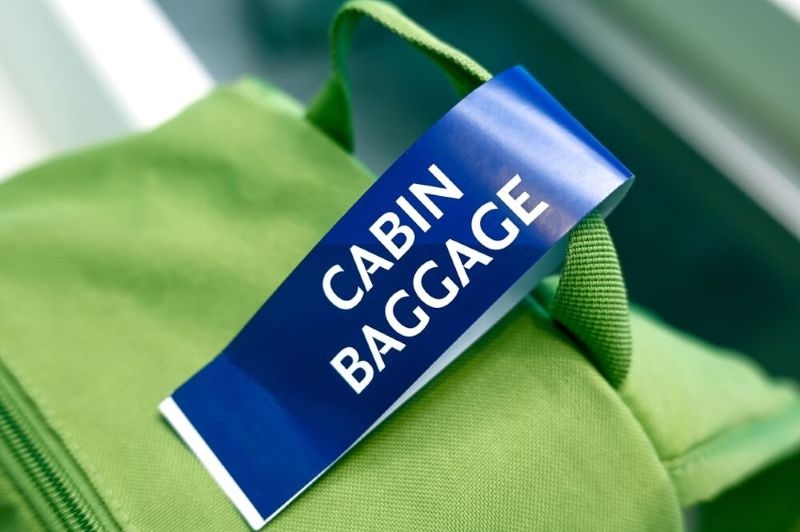
Airline tickets look cheap until baggage enters the chat. Suddenly the “deal” grows teeth. A fee here, an overweight charge there, and somehow a traveler is paying the same as a full-service fare just to bring socks and toothpaste.
So what actually saves money: traveling light with a carry-on, or paying for a checked bag and moving on with life? The answer depends on the trip style, the airline, and how disciplined the traveler is with packing. This guide breaks it down in a practical, no-drama way.
The carry on vs checked baggage decision is really a math problem plus a comfort problem. Carry-on can save fees and time, but it comes with strict rules and limited space. Checked bags give freedom, but they can add costs, delays, and the classic risk of “your bag is taking a different vacation.”
A good approach is to ask two questions:
If the traveler is the type who packs “just in case,” checked baggage often ends up cheaper than paying surprise fees for oversized or overweight carry-ons. If they pack like a minimalist ninja, carry-on usually wins.
People obsess over checked bag costs, but there are hidden costs on both sides.
Carry-on costs can show up as:
Checked bag costs can show up as:
The cheapest option is the one that avoids surprise penalties. That’s the real game.
Carry-on often wins for short trips, budget airlines, and direct flights.
It’s especially cost-effective when:
This is where a smart packing strategy pays off. A traveler who can pack a week into a small roller and a personal item basically prints savings.
Another money-saving angle: carry-on reduces airport time. No bag drop line, no waiting at baggage claim, no stress if the connection is tight. Time is money, even if it’s not on the receipt.
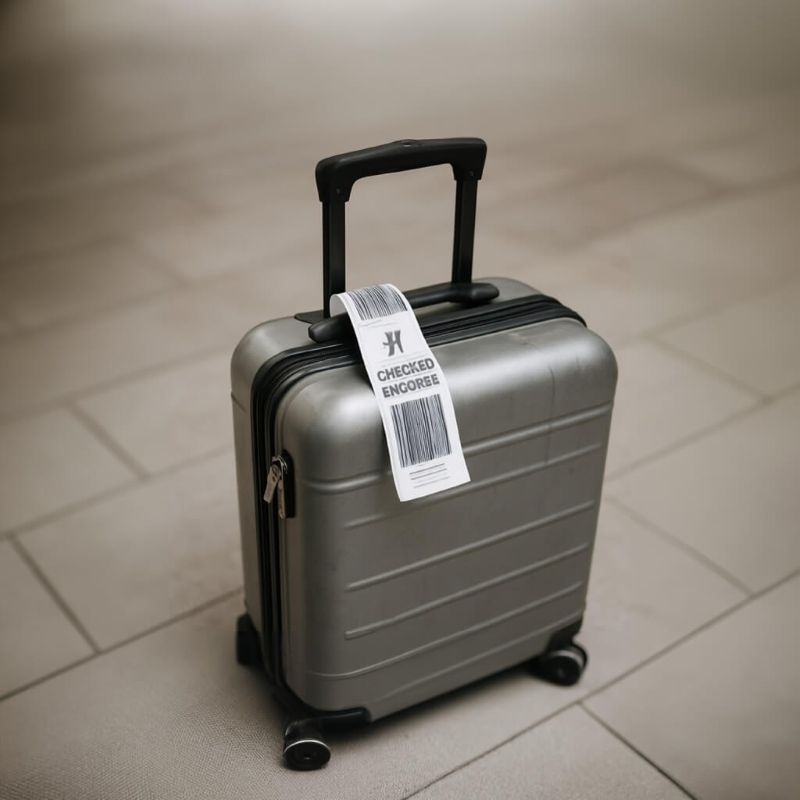
Checked bags can be cheaper when carry-on rules are strict or pricey, or when the traveler needs more stuff and would otherwise pay multiple add-ons.
Checked baggage often wins when:
Also, travelers who hate dragging bags through train stations, cobblestone streets, or crowded subways might decide that paying to check is a quality-of-life upgrade. That counts too.
This is where cabin baggage rules and airline carry on policy details matter more than opinions. Some airlines allow a personal item plus a carry-on. Others allow only a personal item unless you pay. Some are strict about dimensions. Some are strict about weight. Some are strict about both.
One airline might let a traveler bring a normal-size roller bag. Another might measure it with the intensity of a science experiment. That’s why checking the airline’s size and weight limits before packing saves money. It prevents gate-check drama and those last-minute fees that feel personal.
This is also why luggage comparison is useful. A bag that fits Airline A might fail Airline B by half an inch. And half an inch is enough to ruin a mood.
A traveler thinks they’re saving money by going carry-on only, but then they:
The trick is not just packing lighter. It’s packing smarter. If the airline forces a paid carry-on, compare the upgrade cost to checked bag costs. Sometimes checking is cheaper. Sometimes upgrading is cheaper. Sometimes the “bundle fare” is the quiet winner.
Carry-on can save time at the airport. Checked baggage can save effort during the trip, especially when walking long distances between hotels or using public transit.
Here’s a practical way to decide:
Time is not a fee, but it still feels like a cost.
Use this quick checklist. It works surprisingly well:
Then decide. And commit. Indecision leads to overpacking, and overpacking leads to fees.
No matter which option a traveler chooses, these tips reduce costs:
This is the kind of packing strategy that saves money without making travel miserable.
Also, travelers should know their bag’s exact dimensions. Not the brand label. The real measurement. This is where cabin baggage rules become less scary because the traveler is prepared.
In many cases, carry-on saves money for short trips and travelers who pack light and follow rules. Checked baggage saves money for longer trips, travelers carrying liquids or gifts, and flights where carry-ons cost extra.
The winner is not one option. The winner is the option that avoids surprise fees and stress on that specific route. And yes, it changes by airline. That’s annoying, but it’s reality.
Not always. Some airlines charge for carry-ons unless you upgrade fares. In those cases, checking a bag can cost less than paying for a carry-on allowance.
They compare one-way fees instead of round-trip costs, or they ignore weight and size limits until the gate. That’s where unexpected charges appear.
Measure the bag, weigh it at home, and confirm what the fare includes. Budget airlines often separate personal item, carry-on, and checked baggage into different paid tiers.
This content was created by AI