

Airports have a strange way of bending time. Five minutes can feel like five seconds when you’re late, or five hours when you’re too early. That’s why airport arrival time matters more than most travelers admit. Whether you’re hopping on a quick domestic route or heading overseas for the first time in years, knowing when to arrive airport-side can save you stress, money, and more than a little embarrassment. This guide walks through domestic airport timing, international airport arrival expectations, TSA wait times, and those surprisingly strict boarding deadlines, all with a practical, human lens. No scare tactics. Just clarity, context, and a few real-life nudges you’ll be glad you read.
Getting airport arrival time right isn’t about following a single rule carved in stone. It’s about understanding how airlines, security, and airports actually behave on a normal day, and on a chaotic one.
You’ve probably heard conflicting advice. Arrive two hours early. No, three. Show up earlier during holidays. Actually, earlier than that. The confusion comes from the fact that airports are living systems. TSA staffing changes. Weather rolls in. A single delayed inbound flight can ripple through an entire terminal.
Here’s the thing. Airlines plan for averages. Travelers live in exceptions. That gap is where most stress lives.
Arriving late is obvious trouble. Missed flights, rebooking fees, and that sinking feeling at the gate. Arriving far too early has its own cost. Long waits, extra spending, and a drained mood before you even board.
The goal is balance. Enough buffer to breathe, not so much that you feel stranded before sunrise with bad coffee.
Domestic flights in the U.S. feel simple until they’re not. This section breaks down realistic domestic airport timing without exaggeration.
For most U.S. airports, airlines recommend arriving two hours before departure. That guideline exists for a reason. It accounts for check-in, TSA screening, and time to reach your gate without sprinting.
If you’re flying without checked bags and have TSA PreCheck, you might shave that down slightly. But even then, cutting it too close can backfire fast.
Some airports just move more slowly. Think JFK, LAX, ATL, ORD. Add morning rushes or Sunday evenings, and suddenly, TSA wait times stretch longer than expected.
Also consider:
On those days, domestic airport timing closer to two and a half hours feels safer. Honestly, peace of mind counts.
International trips bring excitement and paperwork. Timing becomes less flexible the moment passports enter the picture.
International airport arrival usually means arriving at least three hours before departure. That extra hour isn’t arbitrary. Airlines must verify documents, visas, and sometimes health forms before issuing boarding passes.
Miss that window, and you might be denied boarding even if the plane is still parked.
For long-haul routes, check-in counters often close earlier than domestic ones. Boarding deadlines come sooner, too, because loading an international aircraft is a slower, layered process.
Here’s a quiet truth. Airlines rarely bend rules on international flights. Systems are tighter. Margins are thinner. Showing up late doesn’t trigger sympathy; it triggers policy.
Security is where most timing plans fall apart. TSA wait times are the wild card no traveler fully controls.
Several factors shape how fast you get through security:
Monday mornings and Friday afternoons tend to be rough. So do holiday travel days and summer weekends.
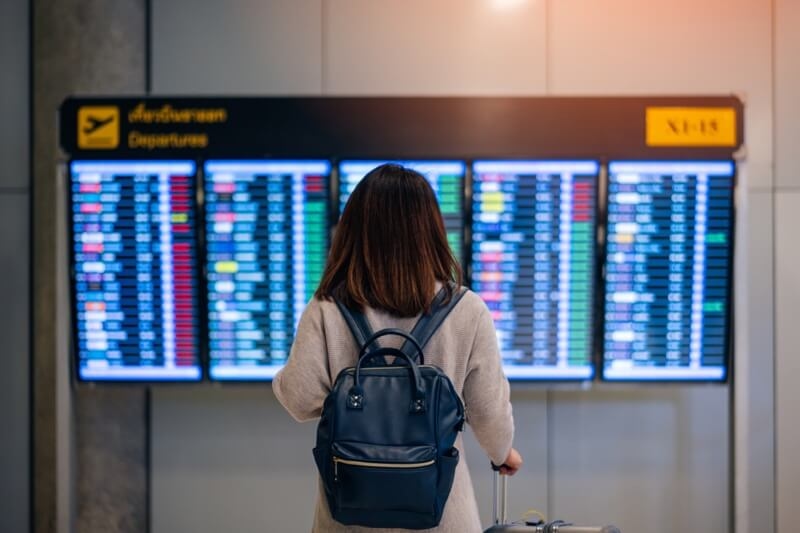
The MyTSA app and airport websites offer estimated wait times. They’re not perfect, but they provide useful signals. If you see warnings, believe them.
TSA PreCheck and CLEAR help, but they’re not magic passes. Sometimes even those lines back up. You know what? That’s travel. Planning for variability is smarter than hoping for luck.
Many travelers misunderstand boarding deadlines. This misunderstanding causes missed flights more often than security delays.
Airlines close boarding doors well before departure time. Often 15 minutes early for domestic flights, and earlier for international ones.
If you arrive at the gate at departure time, you’re late. Period.
Once boarding closes, weight calculations finalize, paperwork locks in, and crew timelines activate. Reopening doors isn’t simple. It’s not personal either. It’s operational.
Arriving early at the gate gives you time to regroup, refill water, and settle nerves. That calm matters more than we admit.
Even perfect planning bends under real-world pressure. Let’s talk about those curveballs.
A small regional airport is a different beast from a major hub. Walking from security to your gate might take three minutes, or twenty.
If you’re unfamiliar with an airport, add buffer time. Wandering with purpose still takes time.
Summer travel, Thanksgiving week, spring break, and winter holidays bring crowds. So do major sporting events and conventions.
Airports feel different during peak seasons. Louder. Slower. More chaotic. Adjust your airport arrival time accordingly.
Seasoned travelers don’t rush. They also don’t panic. They follow habits that reduce friction.
Checking in online early helps. Bag drop cutoffs still apply, but digital check-in removes one variable.
If you’re checking bags internationally, arrive earlier than you think you need. Lines build quickly.
Aim to arrive with enough time to sit down before boarding starts. That’s the sweet spot. You’re early, not bored.
Grab a coffee. Send a message. Watch planes taxi. Travel feels better when it starts calmly.
Airport arrival time isn’t about rigid rules. It’s about reading the situation, understanding systems, and giving yourself grace. Domestic airport timing, international airport arrival windows, TSA wait times, and boarding deadlines all intersect in ways that aren’t always predictable. But with thoughtful planning and a little flexibility, you can trade last-minute panic for quiet confidence. And honestly, that shift changes the entire trip before it even begins.
Most travelers should arrive about two hours early. Busy airports or peak travel days may need extra buffer time.
Arriving three hours before departure is the safest approach for international flights, especially with checked bags.
Yes. TSA wait times vary by time of day, staffing, and travel volume, so checking estimates helps.
Missing boarding deadlines usually means losing your seat, even if the plane is still at the gate. Airlines rarely make exceptions.
This content was created by AI