


Even though international travel can be as thrilling as it is exhausting without proper preparation, with the proper long-haul flight tips, you can arrive looking fresh and feeling refreshed after such lengthy travels, or arrive feeling drained and suffering from jet lag after the flight. The ability to develop strategies and tactics to assist with surviving long-haul flights, coping with jet lag, and enhancing comfort during these flights is necessary for all travelers today, regardless of whether they are traveling for business or personal pleasure.
You will find accurate and practical long-haul flight tips in this guide, based on actual travel experiences. This guide offers valuable international flight advice to help you travel more effectively and healthily, while enjoying a comfortable travel experience. You will learn how to plan to create a more comfortable long-haul trip, practice wellness on the airplane, and recover after landing from a long-haul flight.
If you're beginning to take to the skies by plane for an extended period, you'll want to use long-haul travel tips that include planning, being flexible, and focusing on your physical and mental comfort before setting foot on an airplane. This is particularly true when it comes to planning out your actual flight itinerary. When considering overnight flights, most individuals can typically adjust their natural sleeping patterns to coincide with the flight schedule, allowing them to sleep through the majority of the long-haul journey. Daytime flights often allow for greater flexibility in terms of maintaining active movement and staying hydrated during a long flight. For that reason, when selecting your seats on your flight, choose an aisle seat whenever possible to allow for more effortless movement and to facilitate hydration.
Additionally, window seats offer a significant benefit in terms of stability while sleeping, which is crucial for maintaining comfort during long flights. In addition to properly preparing your flight schedule, you should also carefully prepare your packing list. Compression socks, neck pillows, and noise-canceling headphones are invaluable throughout the duration of your long-haul international flight, as they help promote blood flow, alleviate fatigue, and reduce anxiety and stress. Preparing your itinerary and packing for your trip will help you lay the groundwork for a successful long-haul flight.
Long-haul travelers often experience concerns about discomfort, stiffness, and fatigue after extended periods of travel—the top recommendations guide movement, hydration, and relaxation. To help maintain optimal health on long-distance flights, try to get up and walk around every 90 minutes. Performing simple stretches can help relieve swelling and decrease the risk of developing circulation problems. Hydration is also essential for maintaining overall health during an airplane ride, particularly because dry air in a plane can lead to headaches and fatigue. Drinking plenty of water while traveling is therefore essential, and you should limit your intake of alcohol and caffeine, as these types of beverages can be dehydrating and exacerbate symptoms associated with jet lag.
In addition to regular physical activity and hydration, breathing exercises and mindfulness techniques can also help alleviate discomfort during long flights. Implementing these techniques can create a sense of calmness and help you adjust to being seated for extended periods. By incorporating these basic recommendations, your flight will be less stressful and possibly more enjoyable than you thought it would be.
Jetlag is a significant obstacle for international travellers, and effective long-haul flight strategies must address it properly. Jetlag occurs when your internal body clock does not match the local time where you are travelling.
To mitigate jet lag, start adjusting your sleep schedule 2-3 days before departure. Getting as close to the destination time zone as possible before you leave can help your body adjust faster once you arrive. During the flight, try to eat and sleep at the same time as you will at your final destination, which is often recommended as part of an expert international flight plan.
The amount of light exposure you receive is significant, too. Light exposure can provide the signal for your brain to reset your internal body clock, and getting outside after you have landed is one of the best ways to reduce your jet lag symptoms naturally. Combined with adequate hydration and regular movement, these long-haul flight strategies can help you recover from your flight more quickly.
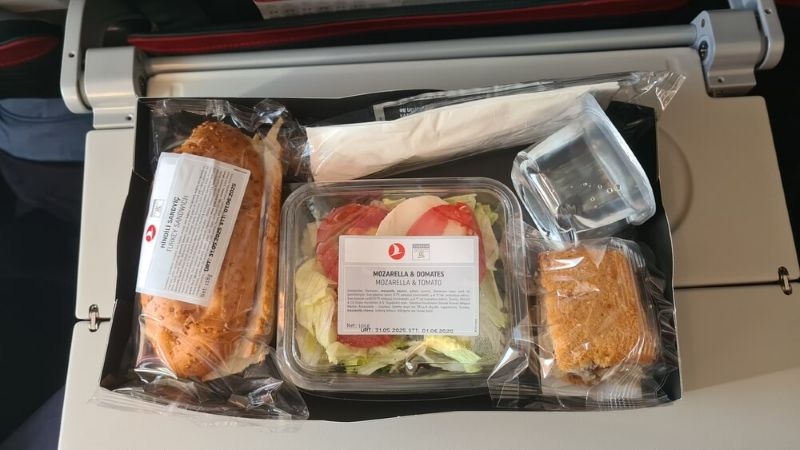
While eating well on long flights may seem insignificant compared to other considerations, nutrition has a significant impact on your flying experience, both in-flight and post-flight. Eating heavy or salty foods will increase bloating and fatigue much more than eating lighter fare with plenty of lean proteins, fruits, and vegetables would.
Eating lighter meals before flying will keep your blood sugar stable and make it easier for you to travel long distances without feeling fatigued upon arrival at your destination. Eating too much sugar before a flight can negatively impact your ability to sleep after you arrive at your destination and worsen jetlag symptoms.
Staying hydrated is essential for both comfort on long-haul flights and maintaining good health during travel. Bring a refillable water bottle with you and drink regularly as you fly. Drinking herbal teas can also help to calm the body and aid with digestion; these are complementary parts of all good international flight recommendations.
A good night's sleep is essential for successful long-distance travel. During long-distance travel, good sleep can enhance your mood, concentration, and immune system.
To make long-distance travel as comfortable as possible, you should establish a sleeping environment conducive to restful sleep. To create an environment that promotes restful sleep, wear an eye mask to block out cabin lights and use noise-canceling headphones to block out cabin noise. Dressing in layers also allows you to adjust to the temperature in your own airplane cabin quickly and comfortably.
When traveling internationally, plan your sleep according to the destination's time zone to mitigate jet lag. Although sleeping at your destination's nighttime hours may feel unnatural initially, it is best to keep a consistent sleep schedule when traveling internationally and across multiple time zones.
In-flight wellness is about comfort and protecting yourself in the long run from health problems caused by long periods of time in a seated position by improving blood flow, posture, and energy levels. Therefore, it becomes increasingly important for travellers to make the time necessary to create and maintain healthy habits for these long-haul flights.
Examples of typical healthy habits include gentle stretches as well as ankle and shoulder rotations, which will help relieve pressure on joints and reduce any swelling throughout the body. Breathing exercises are also beneficial for calming the nervous system and increasing oxygen levels. These will allow the traveller to endure their flight with less discomfort and strain on their body.
Another aspect of maintaining your body while traveling is taking care of your skin. In the cabin, the air is much drier than that of a normal environment, so applying moisture to the skin/lips can help relieve any potential discomfort from dryness. Using these simple but effective habits of international travel will allow the traveller to arrive at their destination feeling better.
Mental comfort is equally as vital to the long-haul flight experience as physical comfort. It is pretty standard for passengers on long flights to feel anxious or restless, due to either being confined to a small space for an extended period or having a lot of time to think.
One widely accepted method for getting through a long flight is to have entertainment planned ahead of time. By downloading movies, podcasts, audiobooks, or calming music before departure, you can keep your mind engaged and thus make time pass more quickly, feeling more comfortable during the flight.
You may engage in mindfulness, journaling, or light reading to help enhance your in-flight wellness experience, reduce stress, or mentally prepare for being in 'travel mode' to achieve the objective of minimizing stress when flying internationally.
The post-flight recovery period is an area that most people don’t give much thought to when planning their long-haul flight experience. Yet, it is crucial in determining how quickly one will acclimate to their new destination.
To minimize one's chances of suffering from jet lag, they should make every effort to remain awake until the local bedtime, even if they feel fatigued while doing so. Engaging in light physical movement, maintaining proper hydration, and being exposed directly to natural sunlight will help reset an individual’s internal body clock. Providing an individual with an opportunity to take a brief walk outside is very beneficial for improving circulation and mental clarity.
Lastly, try not to consume large meals just before bed, and focus on getting quality sleep in the final stages of completing the tips outlined above. This allows for the successful implementation of the tips for completing a long-haul flight.
You can take charge of your experience overseas by incorporating proven strategies for making international travel less complicated. Through an understanding of the realities of long-haul flights, establishing and maintaining a healthy routine during your flight, and managing jet lag upon arrival, you can prepare for international flights to maximize your trip's benefits. By combining expert advice on flying with attention to your individual comfort level, you can create a successful travel experience that allows you to be productive, enjoy leisure activities, and relax upon arrival.
Long-haul flights, whether domestic or international, can be made much more comfortable and enjoyable with the proper long-haul flight tips. In-flight wellness, intuitive sleep strategies, and practical travel planning are steps to prepare you for the rigours of a long flight, help minimise jetlag, and leave you feeling recharged and eager to explore when you arrive.
The most essential tips when considering a long-distance flight are to stay hydrated and take regular breaks, maintain a regular sleep pattern before the time zone change, and bring any comfort items along to assist with surviving long flights and mitigating jet lag.
To help minimize the effects of jet lag with international flights, you should begin adjusting your sleep schedule prior to takeoff, consume plenty of fluids, spend time in sunlight after landing, and follow the recommended guidelines for international flights.
Some key factors to help enhance your level of comfort during long-haul flights are to be able to move about in the aisle, apply supportive pillows, wear breathable clothing, and consistently practice in-flight wellness methods throughout the flight.
Maintaining in-flight wellness while traveling for extended periods involves performing stretching exercises, drinking plenty of fluids, consuming smaller portions of food, practicing breathing exercises, and applying skincare products to maintain optimal body balance during travel.
Having a plan in place allows you to arrive at your destination with less overall stress, provides you with increased quality sleep before departure, and helps ensure a smooth transition into a new time zone.
.
This content was created by AI