

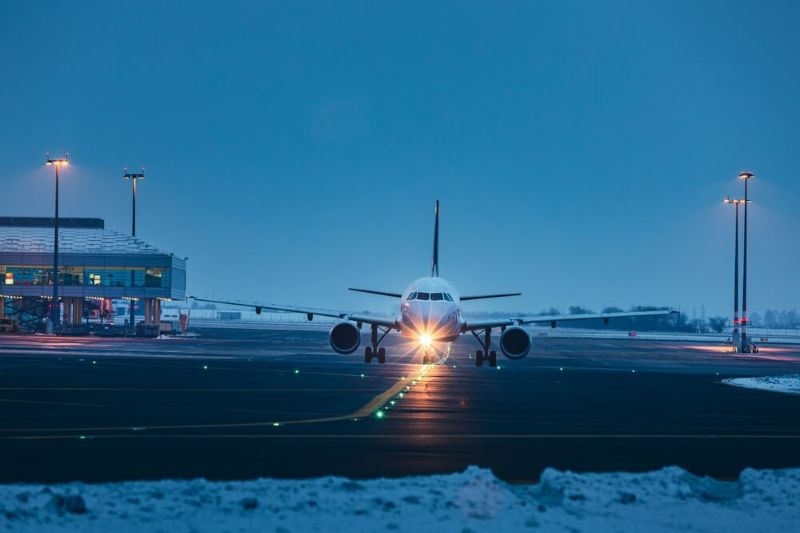
Some travelers swear by them. Others act like they’re a personal attack. Red eye flights sit in that weird middle zone where the idea sounds efficient, but the reality depends on one thing: can the traveler function after landing.
A red eye usually leaves late at night and arrives early morning. It can save a hotel night and protect a workday. It can also turn a vacation day into a zombie shuffle with bad coffee and zero patience. Both are possible. Sometimes on the same trip.
This guide breaks down the real benefits, the real drawbacks, and how to decide if taking one is smart for the specific itinerary.
The appeal is simple. Red eye flights let travelers use nighttime for travel and daytime for living. That means arriving in the morning, checking into a hotel, and starting the day without burning a full daylight block sitting in an airplane seat.
But not all red eyes are equal. A five-hour flight that lands at 6 a.m. feels very different than a ten-hour long haul with multiple time zones. The real question is not “Are red eyes good.” It is “Are they good for this traveler, on this route, with this schedule.”
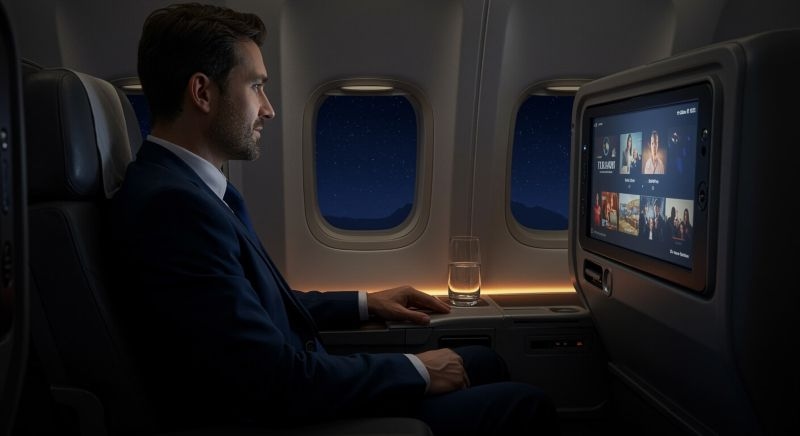
The biggest win is time. A traveler can finish a workday, head to the airport, fly overnight, and wake up in a new city. For people who have limited vacation days, that is a big deal.
Another advantage is cost. Sometimes cheap night flights show up because fewer people want them. Not always, but often enough that deal-hunters keep an eye out. Red eyes can also reduce hotel spending, since the traveler is sleeping in the air instead of paying for a room.
There is also the “airport vibe” benefit. Late hours can mean shorter lines, calmer terminals, and fewer crowds. That can make boarding less stressful, especially for people who hate peak-time chaos.
The obvious drawback is sleep. Most people do not sleep well in economy seats. Even when they do, it is light and broken. A red eye can leave a traveler feeling like they slept, but not really.
This is where the red eye pros cons debate gets honest. The cons are not just tiredness. They show up as mood swings, sore bodies, poor focus, and that strange feeling where time zones and airport lighting confuse the brain.
Also, arriving early can create a planning problem. Hotels often do not allow early check-in. So the traveler lands at 6 a.m., drags luggage around, and tries to kill time until afternoon. That can feel rough when the person is already tired.
Red eyes tend to work best in a few specific scenarios.
They are worth it when:
They are also worth it when the alternative is worse. Sometimes the only non-red-eye option has two long connections, or lands at an inconvenient time, or costs far more. In that case, the overnight option becomes the practical choice.
Red eyes are usually not worth it when the first day is high stakes. Think weddings, big business meetings, or tight schedules with no buffer. In those cases, fatigue is too risky.
They are also a bad idea for travelers who:
A traveler who cannot sleep on plane will pay for it later, usually around mid-afternoon, right when they want to enjoy the trip. That crash can be brutal.
Sleeping on a plane is not magical. But it can be improved.
Here are practical ways to increase odds:
It also helps to treat the flight as a sleep window, not entertainment time. Many travelers board and immediately start watching shows, then panic when it is suddenly two hours before landing.
Not all late night flights create the same sleep result. The best ones align with normal sleep hours. A flight that takes off around 10 p.m. to midnight usually gives a better shot at sleeping than one that leaves at 2 a.m. That later departure can break the rhythm and create exhaustion without rest.
Arrival time matters too. Landing around 6 to 8 a.m. can work well if the traveler can store luggage and start the day slowly. Landing at 5 a.m. with nowhere to go is less fun.
For longer overnight flights, the best approach is to plan a soft first day: light sightseeing, food, and an early bedtime.
This is where smart travelers separate themselves from the overly optimistic ones.
A good first-day plan after a red eye looks like:
The goal is to make it to evening without collapsing at 3 p.m. A short 20 to 40 minute nap can help. A two-hour nap often ruins the night sleep.
Sometimes. Not always. The best way to judge is to compare total trip cost, not just airfare. If the flight is slightly cheaper and saves a hotel night, the overall value can be strong. If the fare is the same as a daytime flight, the deal is weaker unless the time savings matter.
This is where cheap night flights can be real savings, but only if the traveler can still enjoy the next day. Money saved is great. But if the traveler loses a full day to fatigue, that is also a cost.
The real truth about red eye flights is that they are a trade. They trade comfort for time. They can be a smart move for travelers who recover quickly and want to maximize days. They can also be a mistake for travelers who need good sleep to function.
If a traveler is deciding, the smartest question to ask is simple: what is the value of the first day. If the first day is precious, plan to protect it. If the first day can be slow and flexible, a red eye might be a great deal.
Yes, they are generally as safe as any other flight. The main concern is personal fatigue after landing, not flight safety.
Pick a window seat, use an eye mask and earplugs, dress in layers, avoid heavy meals, and stick to a simple sleep routine on board.
Usually no. If the next day is high-stakes or time-sensitive, a daytime flight or arriving earlier is often the safer choice.
This content was created by AI