

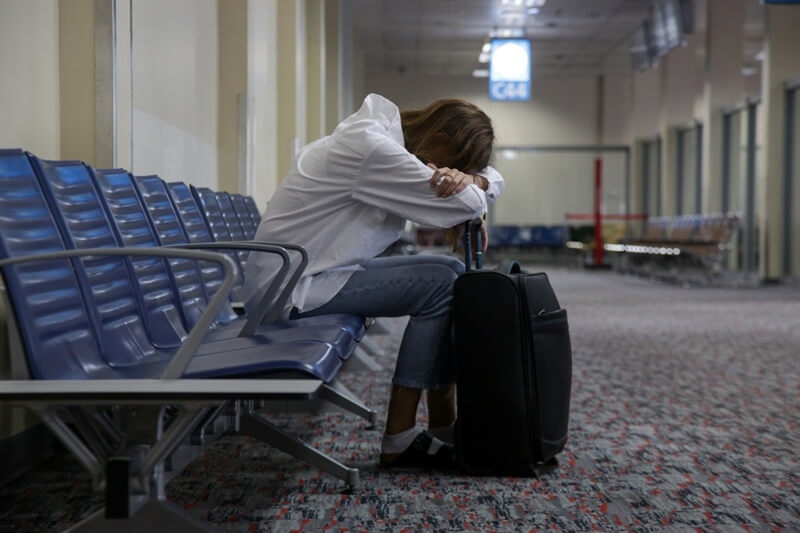
Flight delay compensation sounds confusing at first, but it matters more than most people think. Flights get delayed every day, and many travelers never ask for the help they deserve. Delayed flight rights exist for a reason, yet airline compensation rules are often buried in fine print. Here’s the thing. Passenger rights in the USA are real, and DOT rules explain what airlines must do when plans fall apart. Understanding canceled flight refund options early can save money, time, and stress later.
This guide breaks flight delay compensation into clear steps and plain language, without hype or legal fog.
When an airline delays or cancels a flight, the airline may compensate passengers. Compensation may or may not take the form of cash payments. It may also include food, lodging, or help with booking a new ticket.
Compensation guidelines vary across airlines and may differ depending on the reasons for flight delays. For example, delays due to weather typically provide less assistance than delays due to a mechanical issue.
The following factors determine how much compensation will be available to a passenger who experiences a delay in air travel:
Knowing the above factors helps manage a passenger's expectations.
Unlike other countries, the United States has different guidelines for handling passengers whose flights are cancelled. Most laws in this country regarding delayed or canceled flights focus on getting passengers back home as quickly as possible while also providing a full refund.
Airlines are required under DOT regulations to inform passengers of all flight delays in detail. Airlines must also provide passengers with accurate updates on the status of their flights, rather than using generic excuses.
Additionally, a passenger who experiences a flight delay will generally have the following flight cancellation rights:
Essentially, this means that airlines cannot leave stranded passengers to fend for themselves.
DOT (Department of Transportation) rulings define what an airline must do with respect to customers when that airline has delays or cancellations of service. DOT is responsible for enforcing the DOT regulations, which include the following:
The DOT regulations do not provide for the automatic payment of cash compensation to passengers affected by the incident. Instead, they focus on maintaining the fairness and accuracy of all plans and procedures.
If passengers feel that an airline has violated DOT regulations, they can file a complaint against the airline.
Airline compensation rules are policies that airlines create themselves. These rules outline the support available during delays.
Some airlines provide meal vouchers after long delays. Others offer hotel stays for overnight disruptions.
Airline compensation rules often include:
Rules vary, so checking airline websites helps before travel day.
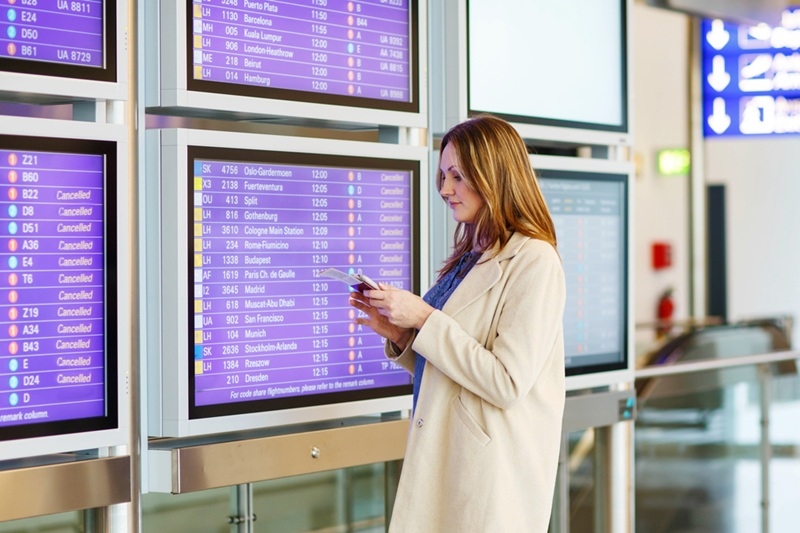
Not every delay qualifies for compensation. The cause matters more than the clock.
Delays caused by airline issues, such as staffing or maintenance problems, often entitle passengers to compensation. Weather or air traffic control delays usually do not.
Flight delay compensation is more likely when:
Understanding the difference between cause and impact helps set fair expectations.
Canceled flight refund rights are clearer than delay rules. DOT rules require refunds when airlines cancel flights and passengers choose not to travel.
Refunds must go back to the original payment method. Travel credits are optional, not mandatory.
Canceled flight refund rules apply when:
This applies even to nonrefundable tickets.
Regarding passenger rights in the USA, the focus is on dignity and transparency in how airlines treat their customers during long wait times.
Passenger rights include:
All three of these passenger rights exist not for passenger comfort, but rather to promote the health and safety of each passenger.
DOT rules limit the time planes can spend on the runway. For domestic flights, the limit is generally three hours.
After that, passengers must be allowed to deplane unless there are safety issues.
Airlines must also provide:
Tarmac rules prevent passengers from being trapped without care.
Numerous airline patrons typically do not express their need for assistance. Airlines will not usually compensate without a passenger’s explicit request.
Some recommendations for seeking help from airlines are as follows:
Easy and clear communication with the airline increases the probability of success.
If airline responses seem unfair, filing a complaint with the DOT can help. Complaints create records and encourage accountability.
DOT complaints require:
DOT rules push airlines to respond in writing.
Many travelers believe myths that block action. One myth says delays never qualify for compensation. Another says cheap tickets have no rights.
Delayed flight rights apply to all ticket types. Airline compensation rules do not change based on ticket price. Understanding truth over rumor saves frustration.
Passenger rights in the USA apply to flights that land in or depart from US soil. International rules may differ depending on the destination.
Flights departing the US follow DOT rules. Flights arriving may also be subject to the laws of the country of origin.
Knowing which rules apply helps avoid confusion during the claims process.
Travel insurance is not the same as airline compensation. Insurance covers broader issues, such as missed connections or lodging costs.
Flight delay compensation is typically provided by the airline. Insurance works separately. Using both can reduce losses after disruptions.
Preparation reduces stress later. Checking airline compensation rules before flying helps set expectations.
Helpful steps include:
Prepared passengers act faster during disruptions.
Airlines may deny claims due to delay causes or policy limits. Weather delays are the most common reason for denial.
Understanding DOT rules helps push back politely when needed. Documentation often changes outcomes.
Flight delay compensation protects travelers when plans fall apart. Delayed flight rights, DOT rules, and airline compensation rules work together to support fairness. Passenger rights in the USA give power through refunds, care, and transparency. Knowing the rules for canceled flight refunds helps travelers act more quickly and avoid losses when delays or cancellations occur.
No, compensation depends on the cause and airline policy.
DOT rules require refunds for cancellations, not automatic cash for delays.
Yes, canceled flight refund rights apply regardless of ticket type.
Keeping records until the issue is resolved is recommended.
This content was created by AI