

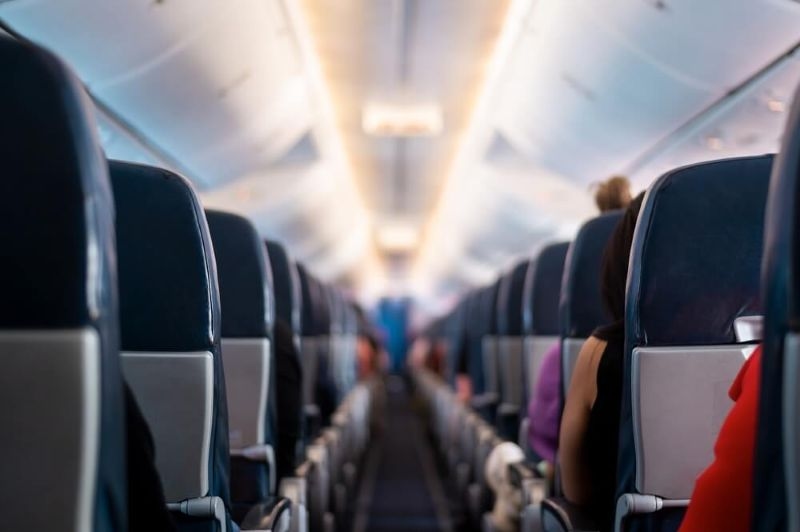
Flying today feels a lot different from how it used to. Planes are quicker, cabins have smart tech, and you can book a seat from your phone in a minute. But there’s one thing that still has way too much control over your trip: where you sit.
You could be on an easy, quiet flight with great food and still walk off grumpy just because your seat was miserable. It really does matter more than most people think. Getting the right spot isn’t only about comfort—it’s about how well you sleep, how much space you have, how quickly you get off the plane, and even how annoyed you feel by the end. So, let’s talk about how to actually pick a better seat, what details truly count, and a few clever seat hacks the pros use without making a fuss.
Most people just grab a seat and move on. That’s normal. But spending a few extra minutes thinking about your choice? That can totally improve your flight. Here’s what you want to know.
Not every seat in economy is equal. Some have more room to stretch. Some recline an inch further. A few are parked right next to a noisy bathroom or busy galley.
Timing actually makes a difference. If you care about where you sit, pay attention to these moments:
Some travelers make a habit of checking for new seats at each step. It’s a small move, but when you snag a win, you’ll feel like a pro.
Don't Miss: What is the Best Time to Book Flights: A Detailed Guide
Before you claim your spot, it helps to know how planes are organized. Even two planes from the same airline might have totally different layouts.
Usually, a plane is split into economy, premium economy, business, and first class. Within the economy, there’s still a lot of variety.
For example:
Tools like SeatGuru help here, but even a quick look at the seat map on the airline’s site can steer you away from a bad pick.
Not every airline calls their best seats the same thing. Some say “preferred,” others go with “economy plus.”
These tend to include:
If you’re tall or flying a long way, these are usually worth thinking about. A little comfort goes a long way.
Honestly, there’s no universal answer. It all comes down to what you like and what you need.
You control the shade, you get a wall to lean on, and the view’s all yours. But you have to bug your neighbors every time you get up, and there’s nowhere easy to escape for a stretch.
Freedom to stand and walk whenever you feel like it. Easy access to your bag and overhead bin. On the flip side, you might get bumped by drink carts or other people.
Here’s where it gets interesting. These tricks aren’t exactly secrets, but if you start using them, you’ll notice the difference.
If your flight isn’t full, scan the seat map and try to sit in a row with fewer people. Best case? The middle seat next to you stays empty. Doesn’t happen every time, but it’s more likely than you think.
Being near the bathrooms, galley, or main exits might seem handy, but those areas get loud, crowded, and generally annoying. If you want peace, sit at least a few rows away.
Suggested Reading: How to Find Error Fares and Book Mistake Flights Safely
The longer you’re in the air, the more the little things start adding up. Prioritize comfort over everything else.
Think about:
If you can manage even a small upgrade, your body will thank you.
A good spot helps, but those little extras make a big difference.
They’re small, they fit in your bag, and, together with the right seat, they turn surviving a long flight into something close to enjoyable.
Even seasoned travelers slip up now and then. Knowing what’s risky keeps you out of trouble.
If you never check the layout, you’re probably missing out or worse, stuck with a real dud of a seat.
You might unknowingly book:
Spend a minute on the map. It’s worth it.
Also Read: Common Air Travel Mistakes That Cost Flyers Time and Money
Flying doesn’t have to be stressful or exhausting. With a little effort, you can actually look forward to the experience. The best airplane seat advice? Pay attention and speak up for yourself. Know your priorities, check what’s available, and don’t be afraid to switch if you spot something better.
Every choice—from window vs aisle to moving away from the galley—shapes your whole trip. Mix in a couple of seat-picking tricks, and you’ll be ahead of almost everyone else in the boarding line.
Booking early usually means you’ll have way more options, especially for standard seats. But some nicer seats only show up closer to check-in. To play it smart, grab a decent seat while booking, and check for upgrades later on.
They’re great for legroom, no question. But sometimes you can’t recline, and there’s no place to stash your bag under the seat. Plus, airlines ask you to meet certain safety requirements to sit there.
Yes, slightly. Seats near the wings tend to feel more stable during turbulence, while seats toward the front or back may feel more movement. If you’re nervous about flying, sitting closer to the wing can help reduce that sensation.
If you’re facing a long flight, most people say yes. You get more legroom, a wider seat, and usually a better recline. If comfort’s a big deal—especially on international trips—the upgrade definitely makes a difference.
This content was created by AI