


The first stamp in a passport feels like a mini personality upgrade. Suddenly the world is bigger, food tastes different, and even buying a metro ticket becomes a small victory. But a first international trip can also feel intimidating. New currency, new signs, new rules, and that one moment at immigration when the brain goes blank.
The trick is picking a place that is exciting without being exhausting. The best starter trips have clear public transport, plenty of English support, straightforward entry routines, and a comfort level that lets travelers focus on fun instead of constant problem-solving. This guide covers what to look for, then shares destinations that tend to be kind to beginners.
Choosing first time international destinations is less about chasing the trendiest city and more about choosing a soft landing. A soft landing means predictable transit, walkable districts, and enough tourist infrastructure that small mistakes do not become big problems. It also means simple food options for picky days, plus lots of easy wins like day trips and guided tours.
Before picking a country, new travelers should do a quick self-check. Do they want museums and cafés, beaches and sunsets, or food and nightlife? Do crowds energize them, or drain them? There is no correct answer. There is only what feels doable.
Think of this as a mini travel starter guide for destination selection. Beginner-friendly places usually offer clear signage, reliable transit, and tourist services that feel straightforward. They also tend to have neighborhoods where walking at night feels comfortable, plus plenty of low-effort fun like markets, parks, and scenic viewpoints.
This is why beginner travel countries matter. They give first-timers a stable learning environment. Travelers get to practice basics like navigating trains, ordering food, and using local apps without feeling punished for small mistakes.
Singapore is like travel training wheels, but in the best way. It is organized, easy to navigate, and packed with things to do in a small area. The MRT makes moving around simple, and the city is built for visitors who want clarity. It is also a top-tier food stop, which helps because first trips should include at least one meal that makes someone pause and grin.
It is a strong pick for easy international trips because a short itinerary can still feel full: gardens, river walks, hawker centers, and skyline views.
Japan can sound complex, but it often feels logical once travelers arrive. Stations are huge, yes, but they are also well signed. Convenience stores are reliable. Streets are clean. Service culture is consistent. All of that reduces decision fatigue.
For a first overseas flight, Japan works well if the traveler wants big wow moments with strong structure. Tokyo offers high energy, Kyoto brings temples and calm lanes, and Osaka delivers food and humor. If the itinerary starts to feel like too much, keep it simple: one big city, one cultural city, and a couple of day trips.
Portugal often works for first-timers who want Europe without the pressure. Lisbon and Porto are scenic, walkable, and full of casual places to eat. English is common in tourist areas, and the overall pace feels a bit gentler than some nearby hotspots.
Portugal is also a solid pick among safe travel destinations because travelers can stay in central neighborhoods and feel comfortable exploring. Plus, it is a place where a beginner can build confidence with small routines: pastry in the morning, viewpoint in the afternoon, and a slow evening walk.
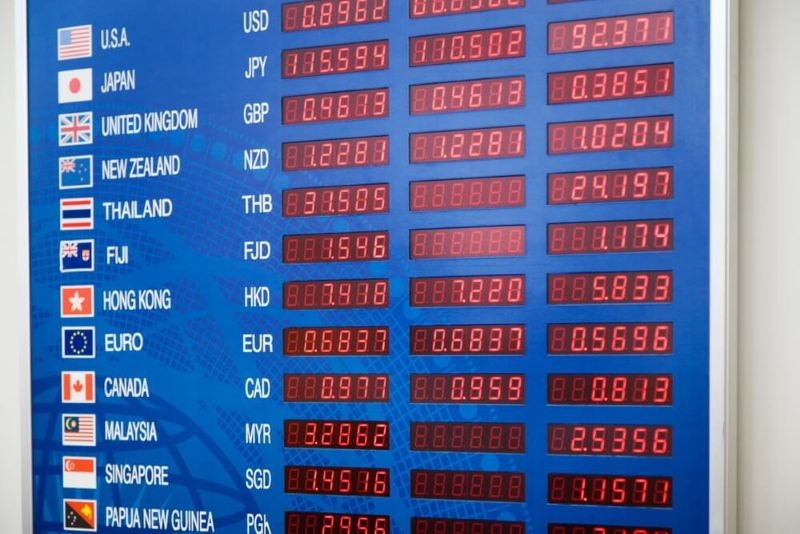
Thailand can be a fantastic first trip, especially for travelers who want warm weather and approachable costs. Tourist zones are well developed, and it is easy to meet other travelers, which can make a first international trip feel less lonely.
For beginners, Bangkok plus one beach or northern city is a smart split. Bangkok teaches city navigation. A beach area teaches relaxation. Chiang Mai teaches slower travel. If someone wants easy international trips with a mix of guided activities, Thailand delivers.
Spain is great for first-timers who want culture without constant friction. Barcelona and Madrid are both solid bases, with day trips and walkable districts. Public transport is widely used and intuitive. Food culture is social and welcoming, and there is plenty to do even with a simple plan.
Spain also fits the beginner travel countries idea because travelers can build a trip around one or two cities and still feel like they saw a lot.
Canada is a strong option for travelers who want an easy transition into international travel. Many visitors find the systems straightforward and the city layouts simple. Vancouver offers nature plus city life, Toronto offers big-city energy, and Montreal adds a different cultural feel without extreme culture shock.
Canada is a helpful choice for people nervous about their first overseas flight because it can feel like a gentle step into international travel.
Here is a practical rhythm that works in most places:
This is where the second part of the travel starter guide matters. First-timers should avoid stacking too many must-dos in one day. They should also plan one calm afternoon, because jet lag and heat do not care about spreadsheets.
Many beginners worry about safety, and that is normal. A few habits go a long way:
Following these habits makes many places feel like safe travel destinations, even when the traveler starts out nervous.
If the shortlist still feels long, use this quick filter:
A destination should feel like an invitation, not a test. The best first time international destinations make travelers curious, then reward them for showing up.
Start with comfortable shoes, a light layer, and a universal adapter. Add a small first-aid kit, copies of documents, and a simple packing list to avoid overpacking.
Five to eight days is a sweet spot for many beginners. It gives time to settle in, explore, and still return home before travel fatigue sets in.
Trying to do too much. Leave room for slow mornings, unexpected finds, and rest. A calmer plan usually creates better memories.
This content was created by AI