


A major airport city can be defined as an area where a significant portion of the world’s population resides. Major airport cities act as the main transportation hubs for international air travel. Major airport cities help facilitate travel by providing numerous direct flight options to multiple destinations each day. Major airport cities are essential for long-term growth and development, as they promote job creation and establish connections between companies' workforces through the numerous daily flight connections available.
Today, major airport cities play a crucial role in facilitating tourism, international trade, and migration.
Major airport cities in North America, Asia, and Europe connect countries and cultures, forming a viable nexus for all the countries in their respective regions. Major airport cities are vital centers of commerce, playing a crucial role in the global movement of people, goods, and services. Major airport cities provide the infrastructure and services needed to facilitate the movement of goods and people from one area of the world to another. Major airport cities are an integral component of global economic activity.
Hub airports are large metropolitan areas that have been developed explicitly due to the presence of high-quality air travel infrastructure. All major airport city areas will host the largest airports in terms of total passenger traffic, with Millions of passengers passing through these facilities each year, serving as gateways to connect regional, international, and intercontinental flight routes.
Customers flying to or from multiple airline hubs take advantage of the ability for the airlines to centrally manage their operations from the hub city using more efficient routing to reduce time, costs, and delays for customers flying around the world.
Airports in large metropolitan areas function as hubs by consolidating airlines' operating flights into one location for each city. The hub-and-spoke model enables airlines to utilize that city as a staging ground for international flights on behalf of their passengers.
Airports in metropolitan areas provide customers with:
Airports located in metropolitan areas are the preferred locations for global passenger travel because they enable airports and airlines to achieve the highest levels of efficiency and profitability, while also providing passengers with an unparalleled level of convenience.
The cities that function as major airline gateways are elevated through these international gateways, transforming regional towns into world leaders in aviation. A global gateway enables direct long-haul flights to multiple continents.
Cities that have an International Gateway Airport (IGA) have significant advantages in the following areas:
New York City, London, Dubai, and Singapore are examples of cities where international gateways will drive nonstop, global connectivity for air passengers as evidenced by the high passenger traffic volume through their busiest airports.
Typically, the airports in the world's most significant major cities also rank as the World's Busiest airports, processing millions of passengers annually, providing extensive air connectivity, and serving as major airline hubs.
Major Airport Cities with Busy International Airports:
All of these major airport cities handle millions of passengers and have well-developed and efficient operations, enabling them to maintain effective and dependable international gateway services.
The main airport cities' airline hubs are the operational centers of major airports. By creating airline hubs, airlines increase the number of routes they operate and increase the frequency of flights. Additionally, they base their planes, crew members, and maintenance personnel in a given city.
Airline HUB cities with a large number of carriers will typically have many advantages, such as:
Airline hubs enable the hub city to become a desirable destination for global travelers, making the city's airport a key player in the worldwide aviation industry.
Several major international airports servicing North America are located in airport cities (Primary and/or Major), and the airport hubs are the largest airport gateways connecting North America with Europe and Asia.
The most significant airport cities located within North America include:
All five cities maintain some of the busiest airport terminals and mechanisms to connect between continents with minimal obstacles or delays.
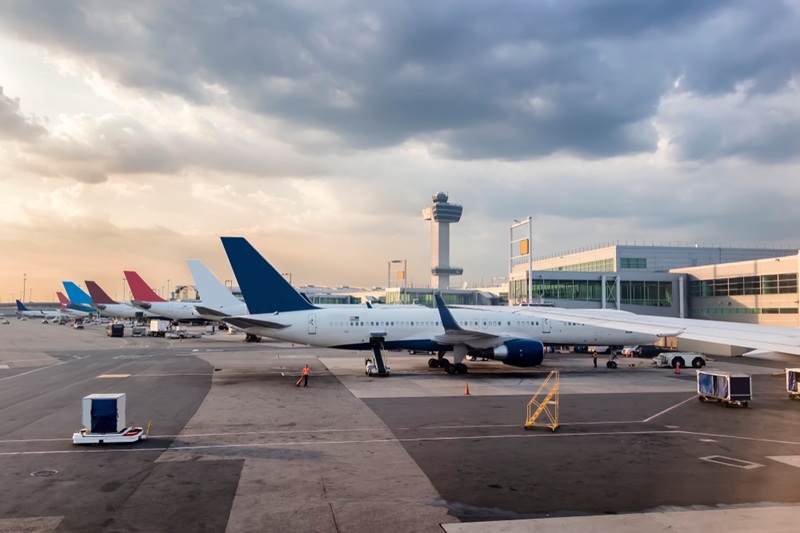
Major airports in Europe are highly appealing due to their heritage and advanced technology; as a result, they have become the primary gateways from the east to the west.
Some of the largest European Airport Hubs include the following:
These cities enable carriers to connect and serve as an international base of operations, providing the fastest possible connection times anywhere in the world, with worldwide connections, all while utilizing state-of-the-art knowledge and technology.
In Asia, major Airport Cities have expanded rapidly with increasing Tourism and Economic Development. The Asian International Airport Cities have concentrated on developing and investing in Infrastructure, Technology, and Service Quality.
The largest Airport Cities in Asia are:
The Airport Cities' Innovation, Passenger Comfort, and Seamless Connectivity can be attributed to World-Class Airline Hubs.
Major airport cities utilize flight connections as their primary source of revenue. Providing a seamless transition between domestic flights and international flights without lengthy waits is the goal of efficient airport connections.
The top priorities for major airport cities are as follows:
Higher-quality flight connections create higher-quality competition among airport hub cities globally.
Airport Cities Serve as Main Gateways for Global Tourism and International Trade. Every year, Airport Cities serve as a significant source of revenue for international tourism and international trade through the millions of travelers that they receive. The following are some of the significant benefits associated with Airport Cities:
Airport cities typically grow to become both an economic and cultural center of the region due to their exceptional level of connectivity.
Airport cities are heavily reliant on their Infrastructure to stay successful. Airports and their latest technologies (e.g., terminals, speedy transportation systems) will help meet the increasing demand generated by the growing number of passengers.
Airport Hub City Investment Includes:
Commitment ensures airports with the highest traffic volume operate efficiently while preserving high service quality.
The Sustainability, digitalization, and passenger experience will continue to be the themes driving all aspects of future major airport cities, as Airlines and Governments partner to develop more efficient International Gateway and Airline Hub development. Highlights of the new and emerging trends include:
All of these progressive ideas will directly enhance and strengthen airport hub cities worldwide.
Numerous travelers prefer to fly from large airports instead of smaller ones because large airports provide the amenities of flexibility, quality, and security (especially during periods of peak demand). Additionally, large airports serve as a vital hub for airlines that provide services to and from numerous destinations worldwide. Therefore, long-haul travelers, multi-stop travelers, and those conducting business overseas have greater opportunities to experience the best service and amenities (including food, security, and convenience) at major airport cities than at smaller airports.
The primary driver of globalised aviation is major airport cities. The world's busiest airports, the world's most essential airline hubs, and the ability to connect flights seamlessly are what define major airport cities.
By understanding Major Airport Cities, we are empowered to make better travel decisions and appreciate the incredible investment made in developing infrastructure to support continued aviation movement.
Many cities are considered airport cities because they were built around a large, international airport, providing travelers with numerous flight connections via these major international airports.
Airport hub cities are essential to travelers because they offer improved connections between flights, more route options, better flight scheduling, and lower fares, thanks to the centralization of hubs for airlines and international flights in one city.
Through the use of nonstop flights connecting different continents, major international gateway cities help foster business opportunities and tourism, providing efficient long-distance, long-duration flight connections worldwide.
The busiest airports in the world can be found in cities such as Atlanta, London, Dubai, Tokyo, and Los Angeles. All of these cities are classified as major airport cities, due to their hosting a number of the busiest and most powerful airline hubs.
Airline hubs enhance flight connections by increasing the frequency of routes offered, improving flight schedules, reducing layover times, and establishing efficient and reliable connections among major airport cities globally.
This content was created by AI