

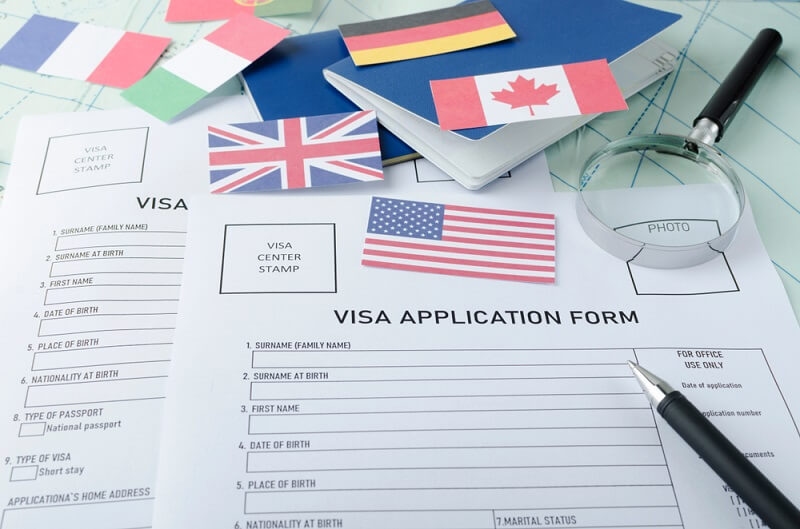
Travel feels exciting right up until paperwork enters the picture. One minute you’re picturing coffee in Paris or street food in Bangkok, the next you’re squinting at embassy websites and wondering if your passport has enough blank pages. That’s exactly why understanding visa requirements by destination matters so much. This guide walks you through how travel visa rules work, what entry requirements usually look like, and how US travelers can avoid common slip-ups. Think of it as a friendly checkpoint before the airport, one that saves time, stress, and a few gray hairs.
Every country has its own way of welcoming visitors, and those rules aren’t random. They’re shaped by diplomacy, security, and sometimes plain old reciprocity. Before we get specific, let’s set the stage so you know what you’re really checking and why it matters.
Here’s the thing. Visa policies are like friendships between countries. If one country offers easy access, the other often responds in kind. For US passport holders, that usually means easier entry, but not always. Political shifts, health concerns, or security events can tighten travel visa rules with little notice.
You might notice that one destination allows a 90-day stay with no paperwork, while another asks for forms, photos, and patience. It’s not personal. It’s policy.
Entry requirements shape more than your packing list. They affect flight choices, hotel bookings, and even how spontaneous you can be. Some visas are approved instantly online. Others take weeks. Miss that detail, and your dream trip could stall before it starts.
Think of it like baking. If the oven needs preheating, you can’t just toss the cake in and hope for the best.
Many US travelers lean toward destinations with simpler rules. That’s understandable. Less paperwork often means less stress. Still, easy doesn’t mean careless, and a little awareness goes a long way.
Several popular destinations allow Americans to enter without a visa for tourism. Parts of Europe, much of the Caribbean, and a handful of Asian countries fall into this category. You show up, get stamped, and you’re good to go for a limited time.
But there’s a catch. Visa-free doesn’t mean rule-free. Length of stay limits are strict, and overstaying can cause real trouble later.
Visa on arrival sounds relaxed, and it often is. You land, fill out a form, pay a fee, and receive permission to enter. Still, border officers may ask for proof of onward travel or hotel bookings.
Honestly, this is where passport checks matter most. If your passport expires soon, that visa on arrival may suddenly be off the table.
Digital visas have changed how people travel. They’re faster, cleaner, and usually less intimidating. Still, they come with their own quirks.
An electronic visa or travel authorization is requested online before departure. You upload documents, answer questions, and wait for approval. Sometimes it’s minutes. Sometimes, a few days.
This system suits planners. If you like knowing everything’s set before leaving home, this is your lane.
Small errors cause big delays. A typo in your passport number or mismatched dates can lead to rejection. And yes, that happens more than people admit.
Double-check everything. Then check again. It’s boring, but it beats rebooking flights.
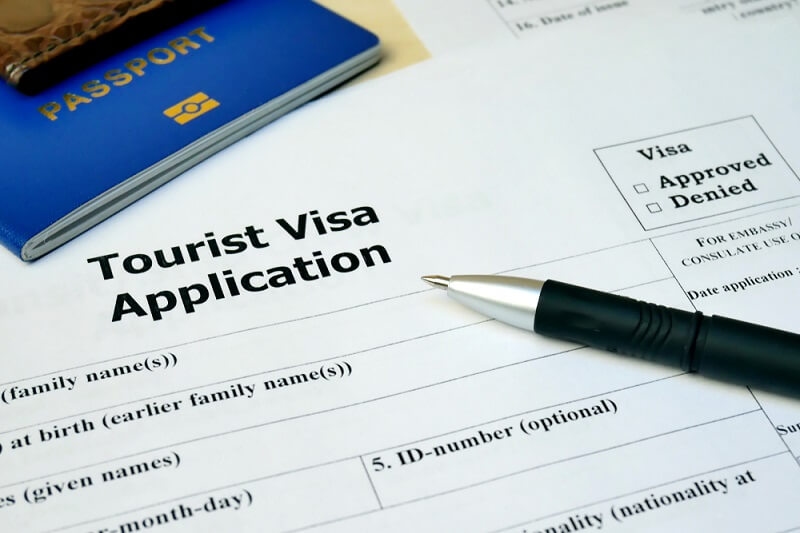
Some destinations still prefer the classic approach. Forms, photos, interviews. It feels old school, but it’s manageable if you know what to expect.
Countries with stricter entry requirements often want travelers vetted before arrival. This is common for longer stays or regions with tighter border controls.
Applying early helps. Embassy appointments fill up fast, especially before peak travel seasons like summer or winter holidays.
Most tourist visa guide lists look similar. Expect to provide a valid passport, photos, proof of funds, travel plans, and sometimes a letter explaining your visit.
It sounds intense, but it’s mostly routine. Treat it like assembling furniture. Follow the steps, don’t rush, and you’ll be fine.
Your passport is your golden ticket. Without it, nothing else matters. And not all passports are created equal in the eyes of immigration officers.
Many countries require your passport to be valid for six months beyond your stay. This surprises travelers all the time.
You know what? It feels unfair when your trip is only a week long. But rules are rules, and airlines enforce them strictly.
Some destinations require one or two blank pages for entry stamps. Others may deny entry if your passport looks damaged.
If your passport has seen better days, replacing it early is a smart move.
Rules often cluster by region. Understanding these patterns helps travelers predict what’s coming next.
Europe’s Schengen Area allows movement across multiple countries with one entry stamp. It’s convenient, but the 90-day limit across the entire zone trips people up.
Overstaying in one country affects access to all of them later.
These regions show wide variation. Some countries are welcoming and simple. Others require advance planning and detailed applications.
Cultural norms also influence border interactions. Patience and politeness go a long way.
Travel isn’t static. Rules shift, sometimes overnight. Staying flexible is part of the deal.
Health documentation may be required during outbreaks or seasonal concerns. This can include vaccination records or health forms.
It’s wise to check close to departure, not just when booking.
Occasionally, diplomatic tensions affect entry requirements. These changes are rare but impactful.
Following official embassy updates helps travelers stay ahead.
Travel opens doors, but paperwork opens airports. Understanding visa requirements by destination gives US travelers confidence and control. From travel visa rules and passport checks to entry requirements and digital visas, each piece plays a role in smoother journeys. Once you’ve handled the details, the fun part begins. The smells of new food, the sound of unfamiliar streets, the feeling of being somewhere else entirely. That’s the reward for getting the paperwork right.
No. Many countries allow visa-free or visa-on-arrival entry for short stays, but rules vary by destination.
Ideally, when planning your trip and again a few weeks before departure, since rules can change.
Yes. Airlines enforce international travel rules and may refuse boarding if requirements aren’t met.
Absolutely. Insufficient passport validity is one of the most common travel blockers.
This content was created by AI